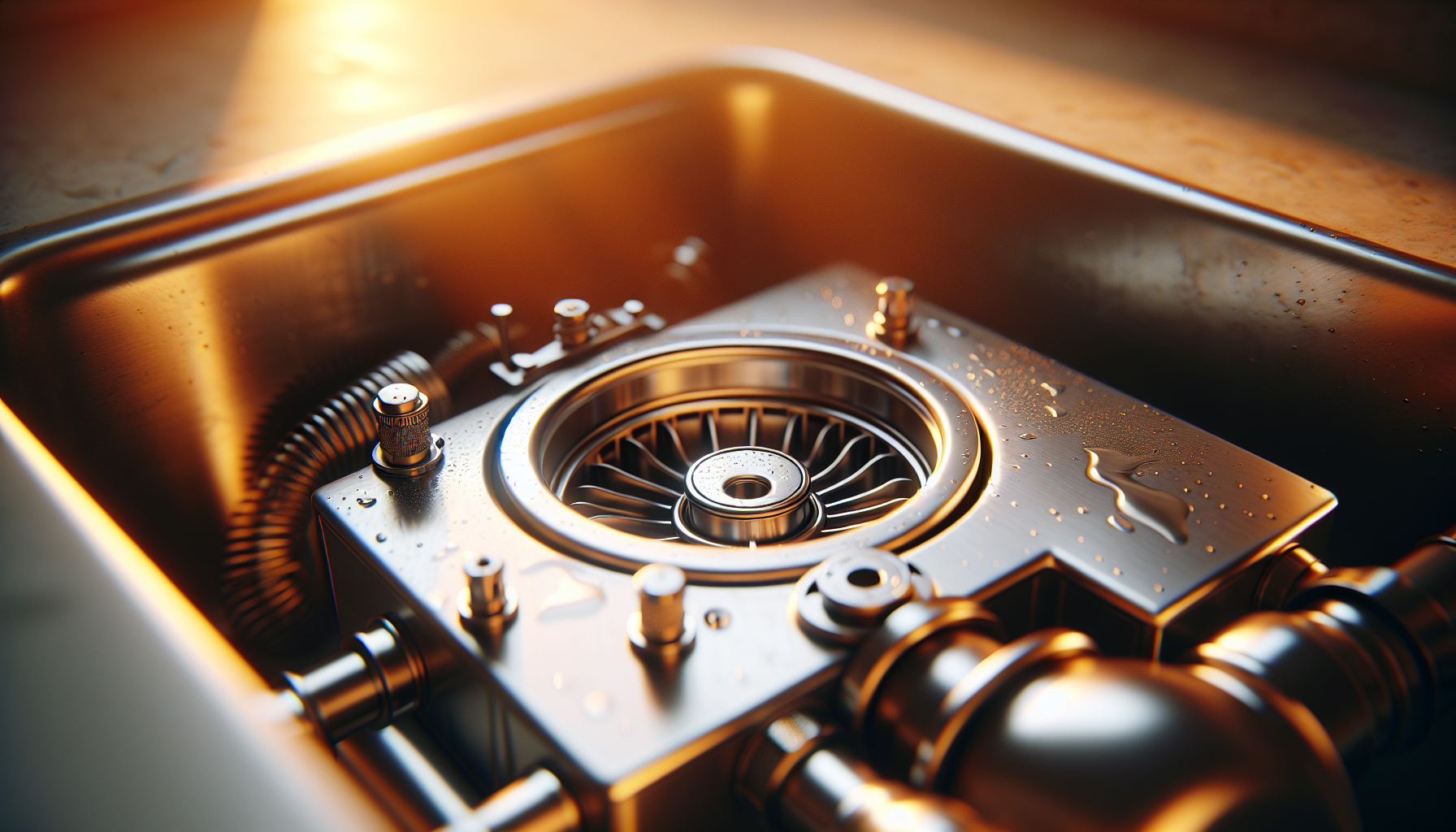
Garbage Disposal Repair Services Available In Costa Mesa Homes
? Is your sink humming, jammed, leaking, or simply not working like it used to — and you want to know your next steps?
Garbage Disposal Repair Services Available In Costa Mesa Homes
You’ll find useful information here about how garbage disposal repair services work in Costa Mesa, what common problems look like, when you can handle a fix yourself, and when you should call a licensed professional. This guide will help you confidently evaluate options and understand likely costs, timelines, and safety measures.
Why this matters for your home
A functioning garbage disposal makes kitchen cleanup easier and reduces the chances of clogs. When your unit malfunctions, it can lead to foul odors, water backup, or even damage to plumbing and cabinets. Knowing repair options and preventive practices means you save money, avoid unnecessary replacements, and reduce disruptions to daily life.
Common garbage disposal problems homeowners face
You’ll run into a few recurring issues that signal a need for repair or replacement. Recognizing these problems early helps you take the right action.
- Unit won’t start or is intermittent: Could be electrical, jammed flywheel, or internal motor failure.
- Grinding but not disposing: Indicates object caught in grinding chamber or worn components.
- Loud or unusual noises: Metal contacting metal, broken impellers, or loose parts.
- Leaks under sink: Loose connections, cracked housing, or seal failure.
- Foul odors: Food trapped in unit or drain buildup.
- Frequent tripping of circuit breaker: Overload or short circuit inside motor.
Why these issues occur
Most problems happen from misuse (wrong items fed into the disposal), lack of maintenance, age, or mechanical/electrical failures. Understanding root causes reduces repeat calls for the same issue.
Diagnosing the problem: quick checks you can do
Before calling a technician, you can perform a few safe checks to better understand the problem. Only do these if you’re comfortable and maintain power-off safety procedures.
- Confirm power: Check the wall switch, and inspect the unit’s reset button.
- Look for jams: Use a flashlight and an appropriate tool from below (never put your hand in the unit).
- Inspect for leaks: Dry the area and run water to identify leak source.
- Listen to sound: Humming without rotation often indicates a jam; loud clanking points to broken pieces.
Troubleshooting table — symptoms and likely causes
| Symptom | Likely cause(s) | What you can check |
|---|---|---|
| No power / unit dead | Tripped reset, blown fuse, bad switch, loose wiring | Press reset button, check circuit breaker, test switch |
| Hums but doesn’t grind | Jammed flywheel, object stuck, seized motor | Turn off power, use wrench at bottom to free jam |
| Loud metal-on-metal noise | Broken grinding components, foreign metal object | Turn off power, inspect chamber with light |
| Leaking at sink flange | Loose mounting bolts or failed flange gasket | Tighten mounting hardware, verify seal |
| Leak at tailpipe | Loose/disconnected discharge line | Tighten clamp/replace gasket |
| Persistent odor | Food trapped, bacteria in drain | Clean disposal, use enzyme cleaner, run hot water |
| Unit trips breaker | Motor overload, internal short | Avoid repeated resets, call technician |
Safety first: do this every time
Safety must be your priority. You’ll avoid injuries and further damage if you follow these steps.
- Always turn off power before touching the unit: unplug or flip the circuit breaker.
- Never put your hand into the disposal chamber, even when the power is off.
- Use proper tools: a hex wrench for manual turning, long tongs to retrieve objects.
- Wear protective gloves and eye protection when working under the sink.
- If you smell burning or see smoke, switch off the circuit immediately and contact a professional.
What you should not do
- Don’t use chemical drain cleaners inside a garbage disposal — they can damage seals and components.
- Don’t run the unit dry or use it to grind fibrous or hard non-food items.
- Don’t attempt complex electrical repairs unless you’re qualified.
DIY repairs you can handle safely
There are several minor repairs and maintenance tasks you can perform without a licensed plumber or electrician.
- Reset the unit: Press the red reset button on the disposal’s base after switching the circuit back on.
- Unjam a stuck flywheel: With power off, insert a disposal wrench or an Allen wrench into the bottom socket and turn to free the impellers.
- Tighten mounting flanges: If the unit wiggles or leaks at the top, tighten mounting bolts carefully.
- Replace a discharge hose clamp: Simple clamp replacement is a quick fix for minor leaks.
- Clean and deodorize: Use warm soapy water, ice and citrus peels, or an enzyme cleaner to remove trapped debris and smells.
Step-by-step: how to free a jam (safely)
- Turn off power at the breaker and unplug the unit.
- Insert a hex (Allen) wrench into the bottom opening and turn left/right to free the impellers.
- Remove any visible object using pliers or tongs — never your hand.
- Restore power and test briefly with water running.
If the jam won’t clear or the unit hums loudly after freeing it, stop and call a professional.
When to call a professional technician
You’ll want a licensed professional when the problem involves electricity, major leaks, complex replacement parts, or when DIY efforts don’t fix the issue.
- Persistent humming with no rotation, indicating motor failure.
- Repeated tripping of breaker or electrical burning smell.
- Large leaks from the housing or cracks in the disposal body.
- Major mechanical damage or metal fragments inside the unit.
- You prefer a warranty-backed repair or replacement.
Benefits of hiring a pro
You’ll get trained diagnosis, safe handling of electrical issues, access to OEM or aftermarket parts, and warranty protection. Professionals also identify related plumbing problems that might be causing symptoms.
What to expect from a professional repair service
A typical service call will follow a sequence that ensures a long-term solution and transparency.
- Initial assessment: Technician asks questions about symptoms and checks power and plumbing.
- Diagnosis and estimate: They’ll identify failing parts and provide a written estimate before work begins.
- Repairs or replacement: Technician performs repairs — testing thoroughly afterward.
- Clean-up and advice: They’ll leave work area tidy and advise on preventive steps.
Service timeline
Most minor repairs are completed in 30–90 minutes. Full replacement may take 1–3 hours depending on complexity and cabinet access.
Typical repair costs in Costa Mesa (estimates)
Costs vary by issue complexity, unit brand, and parts required. The table below gives general ranges to help you budget. Prices could be higher for emergency, same-day, or after-hours service.
| Service | Typical cost range (USD) | Notes |
|---|---|---|
| Service call / diagnostic | $75–$150 | Often waived if you proceed with repairs |
| Jam clearing (labor) | $75–$200 | Depends on time and access |
| Minor leak repair (clamps, seals) | $100–$250 | Includes parts and labor |
| Motor replacement | $150–$400+ | Sometimes more cost-effective to replace unit |
| Full disposal replacement | $200–$700+ | Includes unit cost (budget to premium) and labor |
| Emergency / after-hours | +25–100% surcharge | Varies by company |
Tips to control costs
- Ask for a written estimate before work begins.
- Compare quotes from 2–3 local providers.
- Check whether the service includes a parts warranty.
- Consider replacing an older, inefficient unit rather than repeatedly repairing it.
Choosing the right repair service in Costa Mesa
Selecting a reliable technician saves headaches. You’ll want someone local, licensed, and insured with good reviews.
- Verify licensing and insurance: Ask for license number and proof of liability insurance.
- Read reviews and check ratings: Look on Google, Yelp, Angi, and local community groups.
- Ask about experience with your unit’s brand and model: Familiarity reduces repair time.
- Request a warranty on labor and parts: Standard warranties are often 30–90 days for labor, longer for parts.
- Confirm pricing structure: Flat fees or hourly rates and transparency on markups for parts.
Questions to ask before hiring
- Are you licensed and insured in Orange County?
- Do you provide a written estimate and parts/labor warranty?
- Can you show recent reviews or references from nearby customers?
- Will you dispose of the old unit and provide a cleanup?
- Are there additional fees for permits or after-hours service?
Local considerations specific to Costa Mesa
Costa Mesa is in Orange County, with many older homes and a mix of newer constructions. You’ll want a service that understands typical local plumbing setups and can navigate condominium or HOA restrictions if applicable.
- Local code familiarity: For replacements, some jobs might require permits or specific venting practices — a local tech knows the rules.
- Availability: Costa Mesa has many service providers, so look for one who offers same-day or next-day appointments if you need quick help.
- Language and customer service: Many providers in the area offer bilingual techs and customer support suited to the community.
Parts, brands, and warranties
You’ll encounter several well-known garbage disposal manufacturers and aftermarket parts. Knowing these helps you decide whether to repair or replace.
- Common brands: InSinkErator, Waste King, KitchenAid, GE, Moen.
- Aftermarket parts: Seals, gaskets, impellers, motors, mounting kits, and discharge elbows.
- Warranties: New disposals often come with 1–3 year limited warranties; some premium units offer up to 10 years. Parts warranties usually vary by manufacturer.
Repair vs replace: when replacement is a better option
Consider replacement when:
- Unit is older than 8–10 years and shows recurrent problems.
- Motor has failed irreparably and replacement cost approaches or exceeds new unit price.
- Housing is cracked or severely corroded.
- You want improved performance, quieter operation, or better warranty protection.
Environmental considerations and proper use
Taking proper care reduces waste and environmental impact. You’ll extend the life of your disposal and minimize maintenance.
- Avoid sending non-biodegradable items into the disposal (e.g., plastic, coffee grounds in excess, grease).
- Use cold water while running the disposal to solidify grease and flush solids.
- Periodically run cold water and grind ice cubes to help clean blades.
- Consider proper food waste diversion options (composting) for certain scraps.
What to put in and what not to put in
- Safe: Soft food scraps, small amounts of fruit and vegetable scraps, small bones occasionally from small fish.
- Avoid: Grease and oil, fibrous vegetables (corn husks, celery), coffee grounds in bulk, large bones, eggshells in large amounts, non-food items.
Preventive maintenance schedule
A little routine care keeps your unit working longer and reduces service calls.
- Weekly: Run cold water while grinding food scraps, use citrus peels for light deodorizing.
- Monthly: Grind a handful of ice and coarse salt to clean grinding surfaces.
- Quarterly: Inspect under-sink area for moisture, check tightness of mounting bolts and clamps.
- Yearly: Have a professional inspection if your unit is older or after repeated issues.
Simple monthly maintenance checklist
| Task | Frequency | Notes |
|---|---|---|
| Clean disposal chamber | Monthly | Use warm soap and brush, or grind citrus peels |
| Check for leaks | Monthly | Look under sink and around connections |
| Test reset and switch | Quarterly | Ensure electrical controls respond |
| Grind ice cubes | Monthly | Helps remove residue and sharpen edges |
Emergency repairs and same-day service
If your disposal has caused a significant leak, electrical hazard, or sewage backup, you’ll want emergency service.
- Identify emergencies: Active leak soaking cabinets, smoke or burning odor, repeated breaker trips.
- What to do immediately: Turn off water, unplug or flip breaker, remove any patients (kids/pets) from area, call a local 24/7 service.
- What to expect: Emergency calls usually carry higher rates but will prevent further damage to cabinets and flooring.
Preparing for a technician visit
You can make the repair faster and less expensive by preparing the workspace and having information ready.
- Clear out under-sink cabinet: Remove stored items and cleaning chemicals.
- Note symptoms: Write down what happened, when it started, and what you tried.
- Know your unit: If you have the unit model or owner’s manual, place it where the technician can access it.
- Provide access: Ensure the technician can park near your property and access water and electricity switches.
Pre-visit checklist — printable version
| Item | Done |
|---|---|
| Turned off water (if advised) | [ ] |
| Cleared cabinet area | [ ] |
| Noted unit model & serial | [ ] |
| Listed symptoms and previous fixes | [ ] |
| Located circuit breaker or unplug point | [ ] |
Common questions (FAQs)
You’ll likely have many questions; here are answers to frequent ones.
- How long will a repair take?
- Minor repairs can be 30–90 minutes; replacements may take 1–3 hours.
- Can I fix electrical issues myself?
- If you are not a licensed electrician, you should not attempt electrical repairs. Incorrect wiring can be dangerous.
- Will a repair void my warranty?
- Only unauthorized repairs or part substitutions might void a warranty. Have the technician confirm compatibility and manufacturer recommendations.
- Is it worth replacing an old disposal?
- If your unit is old, inefficient, or needs major parts, replacement often makes financial sense due to longer warranties and improved performance.
- Do plumbers handle garbage disposals or do I need a specialist?
- Many plumbers and appliance repair specialists service garbage disposals. Choose a provider experienced with disposals and licensed for plumbing and electrical work.
Cost-saving tips and warranty advice
You’ll minimize long-term expenses by thinking ahead and protecting your investment.
- Ask for a parts and labor warranty—aim for at least 90 days labor, longer on parts.
- Consider energy-efficient or quieter models if replacing; higher initial cost can pay off in longevity and satisfaction.
- Keep receipts and service records; warranties and resale value benefit from documented maintenance.
- If you choose DIY for small tasks, keep replacement parts receipts to maintain warranty validity where allowed.
Disposal replacement: options and upgrades
If you replace your unit, you’ll choose between basic budget units and premium models with more features.
- Budget models: Basic grinding with 1/3 to 1/2 horsepower — suitable for light household use.
- Mid-range: 1/2 to 3/4 horsepower — better for frequent use and tougher scraps.
- Premium: 3/4 to 1+ horsepower, sound insulation, anti-jam features, stainless steel grinding components.
Replacement decision table
| Home situation | Recommended unit | Reason |
|---|---|---|
| Single occupant or infrequent use | 1/3–1/2 HP budget unit | Low cost, sufficient performance |
| Family kitchen with regular use | 1/2–3/4 HP mid-range | More power, better reliability |
| Heavy use, large households | 3/4–1+ HP premium | Long life, quiet, handles tougher waste |
How to evaluate post-repair performance
After repair or replacement, you should test the unit and observe its behavior for a few days.
- Run cold water and test grinding with small food scraps.
- Listen for abnormal noises or vibration.
- Check under cabinet for leaks after several runs.
- Verify the switch and reset button respond consistently.
- Keep the technician’s contact info handy for follow-ups.
Final pointers to keep your disposal healthy
You’ll get the best longevity by combining correct use, regular maintenance, and professional services when needed.
- Always use cold water, run the disposal regularly, and feed scraps gradually.
- Avoid harsh chemical cleaners and large fibrous materials.
- Schedule a professional inspection if your unit is older than 8 years or has had frequent issues.
- Choose a reputable local repair service with solid reviews, proper licensing, and clear warranty terms.
Conclusion
If your garbage disposal is acting up in Costa Mesa, you now have a clear path: perform safe initial checks, use simple DIY fixes for minor jams and maintenance, and contact a licensed local professional for electrical, major mechanical, or persistent issues. You’ll understand likely costs, how to choose a service provider, what to expect during a service call, and how to maintain your unit after repair. Taking prompt, informed action will reduce inconvenience and help you protect your kitchen plumbing and cabinets.
If you want, you can tell me the symptoms you’re seeing and the model number, and I’ll help you decide which next steps to try or suggest questions to ask a local technician.
