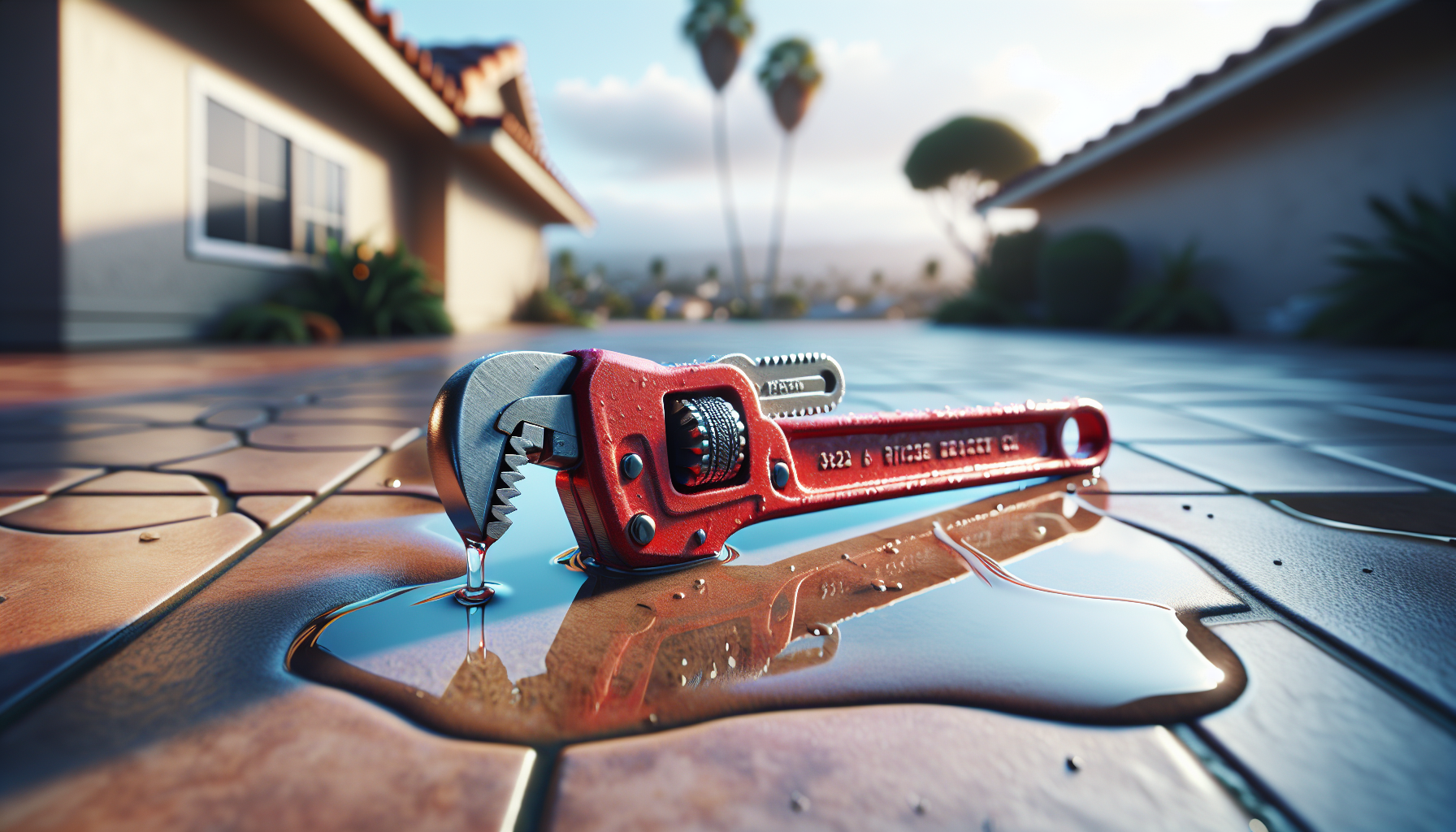
How To Find Emergency Plumbers In Costa Mesa When You Need Fast Service
Are you dealing with a burst pipe, sewer backup, or sudden leak and need a plumber right now in Costa Mesa?
How To Find Emergency Plumbers In Costa Mesa When You Need Fast Service
When a plumbing emergency hits, you need clear steps and fast decisions. This guide helps you find reliable emergency plumbers in Costa Mesa quickly, what to ask, what to do while you wait, and how to avoid scams or unnecessary expenses.
Understand What Qualifies as a Plumbing Emergency
Not every leak requires the same urgency. You should treat anything that risks property damage, health, or safety as an emergency. Examples include major water leaks, burst pipes, sewage backups, gas leaks, and no hot water when your household depends on it for hygiene and safety.
Knowing what counts as an emergency helps you prioritize calls and communicate the severity to the plumber so you get the right response time and resources.
Immediate Actions You Should Take Before a Plumber Arrives
Taking the right steps while you wait can minimize damage and protect people and pets. Shut off the main water valve if water is gushing; turn off the water heater if the problem involves hot water or pressure; and open faucets to drain lines if pipes are at risk of freezing or bursting.
Document the situation with photos or video for insurance. Move valuables and electronics away from the affected area, and place buckets and towels to contain spills. If you smell gas or see exposed wiring near water, evacuate and call the appropriate emergency services.
How Emergency Plumbers in Costa Mesa Operate
Emergency plumbing services often run 24/7 and charge higher rates for after-hours calls, weekends, and holidays. Response time depends on current call volume, distance, and the complexity of the issue. Many emergency plumbers will provide a same-day or within-hours response for serious problems.
You should expect to be asked questions about the nature of the problem so the dispatcher can send the right technician and tools. Clear and concise answers will speed up the process.
Where to Look: Reliable Sources to Find Emergency Plumbers
You have several options when searching for emergency plumbers. Use official and community resources to identify reputable services:
- Search engines and Google Maps for nearby services with high ratings.
- Review sites like Yelp and Angi for customer feedback.
- Neighborhood platforms such as Nextdoor for personal recommendations from local residents.
- The California Contractors State License Board (CSLB) to verify licenses and complaints.
- The Better Business Bureau (BBB) for business reliability and complaint history.
- Local community groups or property managers who have preferred vendors.
- Costa Mesa city resources for public works issues like water main breaks.
Combining online research with local recommendations will help you make a confident choice quickly.
How to Verify a Plumber Quickly (Checklist)
When seconds matter, you can still verify key details without a lengthy background check. Ask for a license number, proof of insurance, and an ETA. Reputable companies will give this info immediately and should be willing to send a photo of the technician and a vehicle description.
Here’s a quick verification checklist you can use on the call:
| What to check | Why it matters | How to verify quickly |
|---|---|---|
| California license (C36) | Ensures legal and technical competence | Ask for license number; verify on CSLB website |
| Insurance and bond | Protects you from liability and damage | Request insurer name and policy number |
| Emergency availability | Confirms they handle urgent calls now | Ask ETA and whether emergency rates apply |
| Identification and uniform | Confirms technician is legitimate | Request photo of tech or vehicle plate |
| Written estimate or scope of work | Prevents unexpected charges | Ask for a ballpark estimate and whether they issue a written quote on-site |
Questions to Ask When You Call for Emergency Service
You’ll save time and avoid surprises by asking a few targeted questions on the first call. Be clear about your location, the problem, and any hazards.
Suggested questions:
- What is your ETA?
- Do you charge an emergency or after-hours fee?
- Are you licensed and insured? What is your license number?
- Can you provide a rough estimate over the phone?
- Will the technician provide a written estimate before starting work?
- What forms of payment do you accept?
- Do you offer a warranty or guarantee on emergency repairs?
Using these questions helps you assess professionalism and pricing before the technician arrives.
Table: What to Tell the Dispatcher vs. What to Ask
| Tell the dispatcher | Ask the company |
|---|---|
| Exact address and access details | ETA and arrival window |
| Clear description of the issue (burst pipe, sewage backup) | Emergency fees and typical charges |
| Any safety hazards (gas smell, electrical risks) | Whether techs are background-checked |
| If pets or children are on-site | Payment methods and estimate process |
| Any immediate containment steps you’ve taken | Warranty and follow-up service |
Typical Emergency Response Times and What to Expect
Response times vary by company and time of day. During the daytime, many emergency plumbers can arrive within 60 minutes for critical issues. After-hours and weekend calls may take longer, commonly 1–3 hours, depending on distance and call volume.
Expect the technician to:
- Conduct a quick safety assessment.
- Provide a verbal summary of the issue and a repair plan.
- Offer a written estimate before doing non-emergency repairs.
- Start emergency mitigation immediately if needed (temporary patches, shutting valves).
If the issue threatens immediate danger (gas leak, active flooding), tell the dispatcher so they prioritize your call.
Typical Emergency Plumbing Costs in Costa Mesa (Estimates)
Emergency rates vary, but having a rough expectation helps you make decisions under pressure. These are approximate ranges and can change based on company, severity, parts required, and after-hours premiums.
| Type of emergency | Typical emergency call-out fee | Typical total cost range (emergency) |
|---|---|---|
| Minor leak or small pipe repair | $100–$200 | $150–$600 |
| Burst pipe repair (simple) | $150–$300 | $300–$1,200 |
| Major pipe replacement or slab leak | $200–$400 | $1,000–$8,000+ |
| Sewer backup / line clearing | $150–$300 | $250–$2,500 |
| Water heater failure (emergency) | $150–$350 | $300–$2,500 |
| Gas leak response (work with gas company) | $150–$300 | $200–$2,000 |
| After-hours emergency surcharge | $75–$200 | Added to above costs |
Keep in mind that emergency specialists may use replacements rather than repairs to restore safe water flow quickly, which can increase costs. Always ask for an itemized invoice and explanation of emergency fees.
Payment, Estimates, Warranties, Receipts
Expect to pay a trip or emergency fee upfront in many cases, especially for after-hours calls. Ask if the company requires a deposit for parts or labor. Most companies accept credit cards, major debit cards, and sometimes mobile payment apps. Cash is still accepted by some independent techs.
Insist on a written invoice with parts, labor, and warranty terms. A legitimate emergency plumber will provide a guarantee on workmanship—commonly 30 days to several years depending on the nature of the repair.
Safety Considerations: Gas Leaks, Electrical, Sewage
If you suspect a gas leak (rotten egg smell, hissing sound), evacuate immediately and call SoCalGas or your gas provider and 911 if there’s imminent danger. Do not operate electrical switches, appliances, or use phones near the leak.
For electrical risks (water contacting outlets), shut off electricity at the breaker box if it’s safe. If unsure, leave the area and call emergency services.
Sewer backups carry health risks from raw sewage. Keep people and pets away from affected areas, ventilate if possible, and avoid contact. A qualified plumber can perform sanitation and restoration or refer you to professional cleaners.
Temporary Fixes You Can Do Yourself
If the plumber will take time to arrive, some temporary measures can reduce damage. Use these with caution and only when safe:
- Shut off the main water valve to stop flooding.
- For a small burst, use a pipe clamp, rubber patch, or hose clamp to slow flow until the plumber arrives.
- Catch leaking water in buckets and protect floors with plastic sheeting or towels.
- Turn off water to appliances (washer, dishwasher) and isolate their supply valves.
- Open faucets to relieve pressure after shutting main water to reduce risk of further leaks when repairs begin.
- For minor clogs, try a plunger or a hand-crank drain snake (do not use chemical drain cleaners for sewage backups).
Document what you did for the plumber and your insurer to avoid misunderstanding.
Choosing Between a Local Independent Plumber vs. a Chain
Both local independent plumbers and larger companies have advantages. Local plumbers often offer personalized service and quicker local response; national or regional chains may have more resources, standardized pricing, and broader insurance and warranty programs.
Consider your priorities: speed, price transparency, warranty length, and past reputation. Ask about local references, technician experience, and whether the company will return for follow-ups without additional charge.
Table: Local Independent vs National/Regional Company
| Factor | Local Independent | National/Regional Company |
|---|---|---|
| Response speed (local) | Often faster in immediate area | Varies; larger fleet may help |
| Pricing flexibility | Can be more negotiable | More standardized, possibly higher |
| Warranty length | Varies by business | Often consistent, sometimes longer |
| Resources (parts, equipment) | May need to source parts | Larger inventory and trucks |
| Reputation in neighborhood | Personal, word-of-mouth | Wide online review presence |
How to Read Online Reviews Effectively
Reviews are helpful but require context. Focus on recent reviews and patterns rather than single comments. Look for repeated mentions of punctuality, cleanliness, fair pricing, and clear communication. Beware of companies with many one-line or vague reviews; these can be manipulated.
Check for responses from the company to negative reviews—responsiveness shows accountability. Also consider the reviewer’s specific situation; a business handling complex emergencies well might have occasional delays, which could be acceptable depending on your priorities.
What to Expect When the Technician Arrives
When the technician arrives, they should present identification, explain their assessment, and provide a written estimate before starting non-emergency work. For immediate mitigation (stopping a major leak), they will act promptly and then explain next steps, materials, and options for permanent repair.
Watch for clear communication about timelines and any additional charges. If you’re not comfortable with the proposed plan, ask for alternatives or a second opinion—however, don’t delay necessary emergency mitigation.
After the Emergency: Follow-up, Repairs, Permits
Many emergency fixes are temporary or partial repairs to stop damage. Schedule a follow-up appointment for a full repair, which may require permits for major work such as sewer line replacements or water main reconnections.
If a job required a permit, a reputable plumber will either pull the permit or advise you to obtain one through the city. Keep copies of permits and invoices for insurance and future resale.
If the damage was extensive, consider hiring restoration professionals and notify your homeowners insurance promptly to begin a claims process if appropriate.
Preventative Maintenance Tips to Avoid Future Emergencies
Regular maintenance reduces the chances of sudden emergencies. Some useful preventative measures:
- Flush your water heater annually to remove sediment and extend life.
- Inspect exposed pipes in crawl spaces, garages, and near appliances.
- Schedule periodic sewer line inspections with a camera, especially for older trees or frequent backups.
- Replace outdated valves and fixtures before they fail.
- Insulate pipes in colder areas of the house to prevent stress and minor leaks even if freezing is rare in Costa Mesa.
- Keep grease, wipes, and non-flushable items out of drains.
A maintenance contract with a trusted plumber can provide priority service and lower long-term costs.
How to Use Your Homeowners Insurance and Warranties
Document damage immediately with photos and notes. Contact your insurer to report the incident; ask if emergency mitigation and repairs are covered or if temporary measures to prevent further damage are reimbursable.
Understand the difference between sudden events (usually covered) and wear-and-tear or unresolved maintenance issues (often excluded). Keep receipts, invoices, and any written estimates or permit records. If the plumber’s work causes additional damage, document it and discuss the matter with the contractor and your insurer.
Special Considerations for Costa Mesa Properties (Older Homes, Condos, and HOAs)
Costa Mesa has a variety of housing types—older Craftsman-style homes, modern condos, and multi-unit complexes. If you live in a condo or a property governed by an HOA, you may need to contact the property manager or HOA before calling a plumber, especially for shared pipe issues.
For older homes, expect to encounter outdated piping materials, which may require specialized parts or more extensive work. Plumbers familiar with Costa Mesa neighborhoods often have experience with local building practices and can provide more accurate estimates and solutions.
What to Do If You Can’t Reach a Plumber Immediately
If no plumbers are immediately available, take these steps to minimize damage and prepare for service:
- Shut off the main water source if it’s safe.
- Move items upstairs or to dry areas if flooding is imminent.
- Use sandbags or barriers for flood-prone doors and thresholds.
- Call your insurance agent to see if emergency mitigation services are covered right away.
- Post a clear note at the main access door with your contact info and the nature of the hazard if others may enter.
If there’s life-threatening danger—fire, major structural instability—call 911. For gas leaks, contact your gas provider immediately.
How to Handle a Dispute with an Emergency Plumber
If you disagree about charges, poor workmanship, or missing license/insurance claims, remain calm and document everything. Ask to speak with a manager or owner. If you can’t resolve the issue, file a complaint with the California Contractors State License Board (CSLB) or the Better Business Bureau. Small claims court is an option for certain disputes, and your written records will help support your case.
Final Checklist: Fast Steps to Find and Hire an Emergency Plumber
When seconds count, follow this checklist to act quickly and confidently:
- Identify the immediate hazard (water, gas, sewage).
- If gas: evacuate and call the gas company and emergency services.
- Shut off the main water valve or appliance valves if possible.
- Call 2–3 plumbers and compare ETAs, emergency fees, and license numbers.
- Ask for insurance and license verification on the call.
- Prepare photos and notes of the situation for the plumber and your insurer.
- Get a written estimate before non-emergency repairs begin.
- Accept temporary mitigation if immediate safety requires it, then plan full repair.
- Keep all receipts, permits, and warranty documents.
Resources and Contacts to Keep Handy
Keep these resources in your phone or a printed folder for emergencies:
- California Contractors State License Board (CSLB) – to verify license (search by license number)
- City of Costa Mesa Public Works or official municipal site – for water main issues or public infrastructure problems
- SoCalGas emergency line – for suspected gas leaks (contact your local utility)
- Your homeowners insurance company’s emergency contact
- Trusted local plumbers recommended by neighbors, community groups, or property manager
- Local restoration/cleanup services for major water or sewage events
If you store these contacts and a basic toolkit, you’ll respond faster and reduce stress during an emergency.
Conclusion
You never want a plumbing emergency, but being prepared and knowing how to find and verify emergency plumbers in Costa Mesa will save you time, money, and worry. Take a few minutes now to save key contacts, learn where your main shutoffs are, and review a local contractor’s reputation so when the unexpected happens you’ll be ready to act quickly and confidently.
