Sewer Line Inspection Services Costa Mesa Property Owners Should Know About
Have you ever wondered whether the sewer line under your Costa Mesa property is in good shape or quietly causing you future headaches?
Sewer Line Inspection Services Costa Mesa Property Owners Should Know About
You deserve clear information about the sewer line inspection services available to protect your property investment. This article explains the inspection types, processes, costs, and decisions you’ll face so you can take confident action.
Why sewer line inspections matter for your Costa Mesa property
Sewer lines are out of sight but not out of mind; small problems can quickly become costly repairs if left unchecked. Regular inspections help you catch issues early, protect your landscaping and foundation, and avoid health hazards and property damage.
The risks of ignoring sewer line problems
Ignoring sewer issues can lead to raw sewage backups, foul odors, soggy lawns, and structural damage to your home. You’ll also face larger repair bills and potential liability if a problem impacts neighboring properties or the public sewer system.
How inspections reduce long-term costs
An inspection pinpoints the exact location and nature of a problem so you’re not paying for unnecessary digging or guesswork. When you act on reliable findings, you often limit the repair scope to targeted, less expensive solutions like spot repairs or trenchless methods.
Common sewer line problems in Costa Mesa
Sewer lines in Costa Mesa can face specific challenges from age, tree roots, soil conditions, and coastal groundwater levels. Being familiar with typical failure modes helps you understand what inspectors look for and what repairs are likely.
Root intrusion
Tree roots seek water and nutrients, and joints or cracks in older pipes offer an easy path. Roots can partially or fully block flow and often require cutting, chemical treatment, or pipe replacement if structural damage is present.
Corrosion and pipe material degradation
Older materials like cast iron or clay can corrode or wear out over time, especially with aggressive soils or chemical exposure. Corrosion can cause leaks, holes, or structural failure that may necessitate lining or replacement.
Bellies and misaligned joints
Soil movement or settling can create low spots (bellies) where solids collect and increase blockages. A bellied pipe rarely clears reliably with hydro-jetting alone, and inspectors will often recommend physical repair or replacement.
Grease and scale buildup
Homes with heavy cooking grease or areas with hard water can see internal buildup that narrows the pipe diameter. Regular maintenance like hydro-jetting prevents recurring backups and prolongs pipe life.
Collapses and blockages
Severe blockages from foreign objects, significant root mats, or collapsed pipe sections require prompt inspection and intervention. If the pipe has collapsed, trenchless methods may be limited and full excavation could be necessary.
Signs you need a sewer line inspection
You should act when you see early warning signs so you don’t face emergencies. Here are common indicators that an inspection is warranted.
Slow drains and multiple drain backups
If sinks, toilets, and showers are draining slowly at the same time, the main sewer line could be restricted. Multiple fixtures affected simultaneously is a classic sign of a mainline problem rather than a single fixture.
Foul sewer odors around your property
A persistent sewer smell in your yard or inside your home usually means a leak or break in the sewer line or a failed trap. Even intermittent odors should prompt inspection because they indicate gas or sewage migration.
Sewage backups into fixtures
Any backup of sewage into tubs, toilets, or floor drains is an urgent call for inspection. Backups can pose health risks and usually mean a major blockage or collapse.
Lush or soggy patches in the yard
A concentrated wet or verdant area on your lawn may be caused by a leaking sewer line fertilizing the soil. You should inspect where the wet spot aligns with the lateral path from your house to the street.
Increased pest activity
Rodents and insects may be attracted to sewer leaks or exposed sewage. If pests frequent a specific area, a sewer inspection can identify a hidden leak or break.
High water usage or sudden bills
Unexplained increases in water usage or sewer bills can indicate leaks or improper connections that an inspection will uncover. Tracking meter readings alongside inspections helps you locate issues sooner.
Types of sewer line inspection services
You’ll find several inspection techniques, each suited to different problems and pipe conditions. Knowing the difference helps you choose the right service.
Video (CCTV) pipe inspection
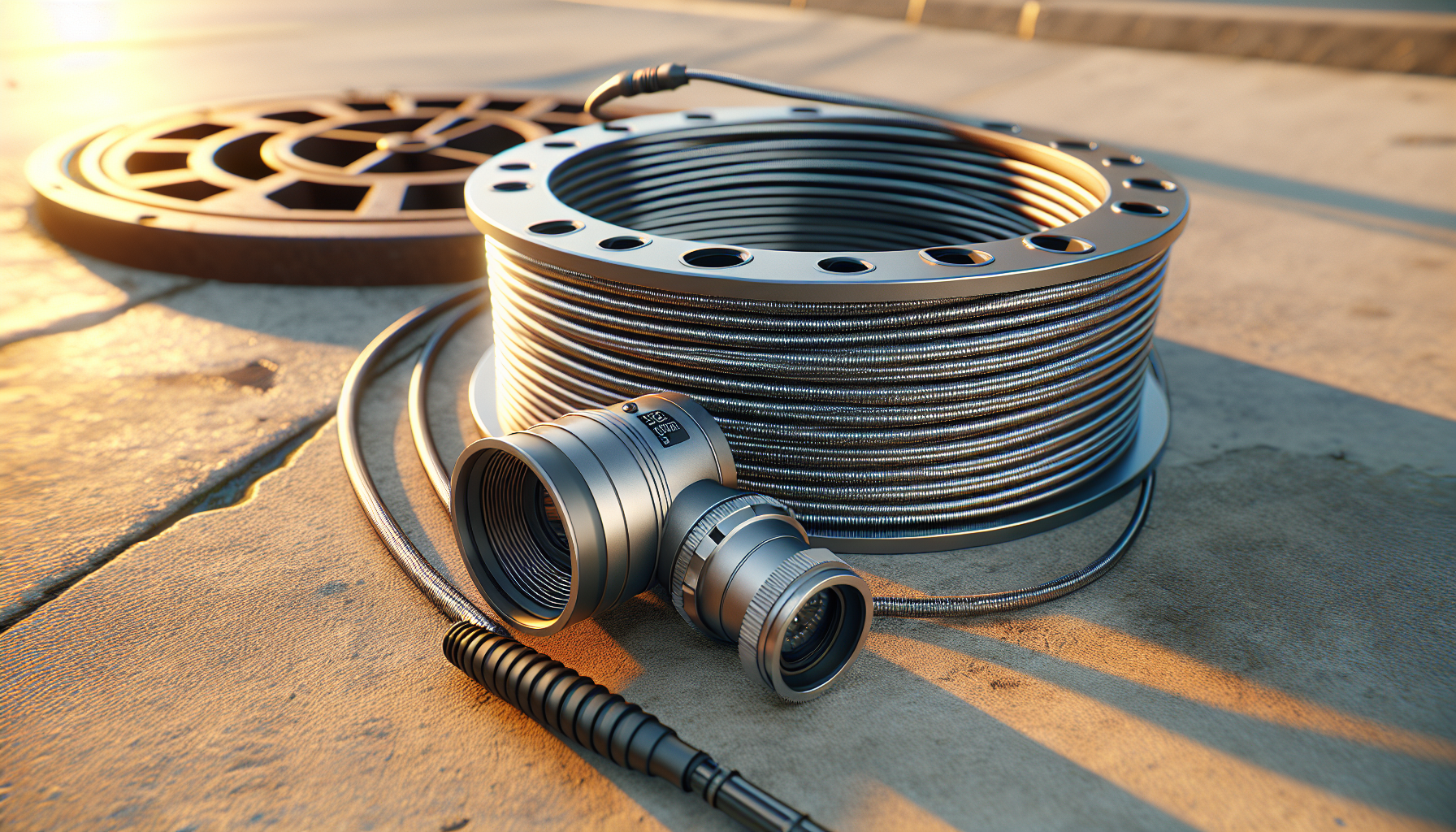
CCTV camera inspection is the most common method and provides real-time, high-resolution footage of the pipe interior. It identifies cracks, roots, blockages, bellies, and pipe material, and inspectors often record the video for your report.
Sonar and acoustic inspection
Sonar is used when the pipe is full or heavily obstructed and a camera cannot pass. Acoustic methods can detect voids, leaks, and anomalies by analyzing sound reflections, and they’re useful for large-diameter or filled lines.
Smoke testing
Smoke testing forces non-toxic smoke into the sewer system to reveal leaks, illegal connections, or cross-connections with storm drains. It’s a practical method for locating defects in a whole neighborhood or across a property where camera access is limited.
Dye testing
Dye testing traces flows between storm drains, downspouts, and the sanitary system by introducing colored dye into suspected connections. It helps identify illegal or accidental cross-connections.
Hydrostatic and pressure testing
These tests assess the watertightness of a pipe section or structure by filling with water or applying air pressure to detect leaks. Hydrostatic tests are commonly used on newly installed or repaired lines to verify integrity.
Robotic crawlers and lateral launch cameras
For long runs, large-diameter pipes, or obstructed lines, robotic crawlers and specialized lateral launch cameras perform inspections where standard push cameras cannot. These systems can traverse more complex environments and collect detailed data.
Lateral launch and push camera inspections
A lateral launch camera enters the mainline and then launches into your property lateral to inspect the connection and line. This method is essential for mapping the exact location and condition of the lateral pipe that connects your home to the public sewer.
Comparison table: inspection types at a glance
| Inspection Type | Best For | Strengths | Limitations |
|---|---|---|---|
| CCTV video | Most mainline and lateral inspections | Visual proof, recorded footage, diagnoses most issues | Requires some access and largely clear pipe |
| Sonar/acoustic | Full or blocked pipes, large lines | Works in full pipes, locates obstructions without clearing | Less visual detail than video |
| Smoke testing | Leak and illegal connection detection | Quick coverage for many points, non-invasive | Won’t define internal pipe condition |
| Dye testing | Cross-connection tracing | Simple, cost-effective for specific flows | Limited to visible flows and immediate connections |
| Hydrostatic/pressure | New or repaired segments | Verifies watertightness | Only tests for leaks; won’t show internal damage visually |
| Robotic crawlers | Complex or long runs | Can traverse difficult conditions, collect data | Higher cost, requires specialist equipment |
How inspections are performed — step-by-step
Understanding the inspection workflow helps you prepare and know what to expect during the visit. Inspections are methodical and designed to produce usable data for repair decisions.
Pre-inspection preparation
Before the technician arrives, you’ll be asked to clear access points, remove obstacles around exterior cleanouts, and provide any known plumbing history. You should also notify occupants about potential odors or minor disturbances during testing.
Accessing the sewer system
The inspector locates access points such as cleanouts at the foundation, curb, or main line and prepares the camera insertion. If no readily accessible cleanout exists, a small access hole may be required or a lateral launch system will be used.
Running the camera and real-time evaluation
A technician pushes a flexible camera through the line, viewing the live feed and noting defects, locations, and severity. The camera often includes a sonde (radio transmitter) so the inspector can pinpoint the camera’s position above ground.
Locating, mapping, and measuring defects
Using the sonde, location locators, and mapping tools, the inspector marks the positions of breaks, bellies, or roots relative to fixed points like the house foundation or curb. Accurate measurements let you plan targeted repairs.
Reporting and recommendations
After inspection, you’ll receive a written report with still images, video links, defect descriptions, severity ratings, and repair recommendations. A good report also includes cost estimates, prioritization, and warranty information for suggested repairs.
How often you should schedule an inspection
Frequency depends on pipe age, material, tree proximity, and previous problems, but there are general guidelines you can follow. Proactive scheduling saves money and stress.
Routine intervals for most homes
If your sewer lateral is made of modern materials and has no history of issues, an inspection every 3–5 years is reasonable. Older homes, especially those with known root issues or clay pipes, should be inspected every 1–2 years.
When to inspect immediately
Schedule an inspection before buying a property, before selling (to disclose or remedy conditions), after severe storms or earthquakes, or when you notice any of the warning signs listed earlier. Immediate inspection is also prudent after major landscaping or tree planting near the lateral.
Costs and what influences price
Costs vary by inspection type, length of pipe, ease of access, and whether additional services are needed. Knowing cost drivers helps you compare quotes fairly.
Typical cost ranges (estimate)
Standard lateral camera inspections commonly fall in the $250–$800 range depending on length and access. Specialized inspections (sonar, robotic crawlers, or mapping) can range from $600 to $2,000 or more for complex jobs.
Factors that change the price
Access difficulty, pipe length, required equipment, length of camera run, need for permits, and travel distance to your property all influence cost. Emergency or after-hours service will typically carry premium rates.
Table: factors affecting inspection cost and why they matter
| Factor | Why it affects cost |
|---|---|
| Access difficulty | Additional time or small excavation needed raises labor and equipment costs |
| Pipe length | Longer runs require more time and potential equipment wear |
| Pipe condition | Heavy blockages need clearing or sonar methods that increase cost |
| Equipment type | Robotic crawlers and locators are specialized and more expensive |
| Permit requirements | Some cities require permits or inspections adding fees and time |
| Time of service | After-hours or urgent services cost more due to scheduling impacts |
Sewer line materials common in Costa Mesa & what you should know
Different materials behave differently over time and under inspection; knowing the material helps you interpret recommendations. Materials used in Costa Mesa properties can vary by construction era.
Clay (Vitrified Clay Pipe, VCP)
Clay is common in older homes and resists chemical corrosion but is brittle and susceptible to root intrusion at joints. Inspections of clay often reveal joint separation and roots, and repairs may involve lining or replacement.
Cast iron and ductile iron
Cast iron was used mid-century and can corrode from the inside when exposed to certain soils or chemicals. Ductile iron is more durable, but both can show pitting and require lining or replacement if structurally compromised.
PVC and ABS
Modern PVC or ABS plastics are durable, joint-fitting, and resistant to roots and corrosion if installed correctly. These materials typically show fewer structural problems but can be misaligned or damaged by external stress.
Orangeburg (bituminous fiber)
Orangeburg was installed in some mid-century homes and tends to deteriorate and collapse over time. If your inspection reveals Orangeburg, replacement is often recommended because repairs are generally temporary.
Concrete and other materials
Concrete pipes are used in some applications and can crack or spall. Identification during inspection guides whether lining or replacement is best.
Legal, code, and responsibility considerations in Costa Mesa
You should understand ownership and local rules because they affect your repair obligations and possible permits. Local public works or utility departments set rules that can vary by city.
Who owns the lateral?
In most California jurisdictions, including Costa Mesa, property owners are typically responsible for the sewer lateral from the building to the connection with the public sewer main. You should verify the exact boundary with the Costa Mesa Public Works or municipal code to confirm responsibility.
Permits and local requirements
Major repairs or replacements often require permits, inspections, and conforming to current codes. Before starting work, you should contact the city’s permit office to understand requirements for trenching, street cuts, or lateral replacements.
Choosing a sewer inspection service in Costa Mesa
Pick a provider with the right mix of experience, equipment, and transparency so you get reliable results. Asking the right questions prevents surprises during or after the inspection.
Questions to ask prospective inspectors
Ask whether the company is licensed and insured, whether they provide recorded video and a written report, what equipment they use, whether they’re familiar with local codes, and if they can provide references. You should also confirm pricing structure, whether prices include camera access attempts, and how they handle hard-to-access laterals.
Certifications and affiliations that matter
Look for technicians trained in industry standards and members of organizations like NASSCO (National Association of Sewer Service Companies) or equivalent. Those affiliations indicate a higher level of reporting accuracy and inspection protocol.
Table: checklist for hiring an inspection service
| Item | Why it matters |
|---|---|
| License & insurance | Protects you from liability and ensures legal compliance |
| Video recording & report | You’ll have proof and a basis for repair bids |
| Local experience | Familiarity with Costa Mesa soils, codes, and typical problems |
| Equipment variety | Indicates capability to handle difficult or large jobs |
| References & reviews | Confirms past performance and customer satisfaction |
Common inspection findings and recommended repairs
After an inspection, you’ll typically see one of several findings, each with tailored repair approaches. Knowing options helps you evaluate contractor recommendations.
Root intrusion: repair options
If roots have invaded the pipe, initial methods include mechanical root cutting and hydro-jetting, but structural damage may require lining or replacement. Spot repairs or CIPP lining are common trenchless options when the pipe’s structure is still intact.
Small cracks or pinholes: lining or sealants
Minor cracks or leaks can often be sealed with cured-in-place pipe (CIPP) lining or epoxy coatings. These trenchless options extend the pipe’s life and minimize digging.
Displaced joints and bellies: physical correction
Bellies and misaligned joints usually need excavation and realignment or replacement because lining won’t correct a sagging section. Spot excavation combined with new jointed pipe or liner may be necessary.
Collapsed pipe: replacement strategies
For collapsed sections, options include spot excavation, full-length trenchless replacement (pipe bursting), or open trench replacement depending on access and surface impacts. You should evaluate disruption, cost, and lifespan when choosing.
Grease and scale buildup: cleaning and prevention
Hydro-jetting is effective for removing grease and scale, but recurring buildup may require behavioral changes and periodic maintenance. Implementing grease traps and educating occupants can reduce recurrence.
Trenchless repair methods explained
Trenchless methods limit surface disruption and can save time and landscaping, but understanding each technique helps you set realistic expectations.
Cured-in-place pipe (CIPP) lining
CIPP involves inserting a resin-soaked liner into the existing pipe and curing it to form a new pipe inside the old one. It’s minimally invasive and often restores structural integrity, but it reduces internal diameter slightly and may not work well in severely deformed pipes.
Pipe bursting
Pipe bursting replaces the existing pipe by fracturing it outward while pulling in a new pipe of equal or larger diameter. It’s effective for full replacements under driveways or lawns, but local underground utilities and street cuts must be managed.
Slip-lining and pull-in-place liners
Slip-lining inserts a slightly smaller pipe into the existing pipe and grout-fills the annular space. It’s a durable option for straight runs but reduces internal diameter and requires careful alignment.
Spot repair and sectional replacement
When only a short segment is damaged, spot excavation and replacement target that section and preserve the remainder of the line. It’s cost-effective when damage is localized and accessible.
Pros and cons table: trenchless methods
| Method | Pros | Cons |
|---|---|---|
| CIPP lining | Minimal surface disruption, long lifespan | Slight diameter reduction, not for collapsed pipes |
| Pipe bursting | Full replacement without open trench | Requires good access points, potential risk to nearby utilities |
| Slip-lining | Durable, relatively simple | Reduces pipe diameter, alignment challenges |
| Spot repair | Lowest cost for localized issues | Not suitable for widespread deterioration |
Preventive maintenance tips for your sewer line
You can extend the life of your sewer system with routine habits and timely interventions. Preventive maintenance reduces the frequency of expensive reactive repairs.
Schedule regular inspections and cleanings
Plan periodic camera inspections and hydro-jetting based on pipe age and condition to remove roots and buildup before they cause blockages. Regular checks catch developing issues and help you budget for necessary repairs.
Manage trees and plantings
Plant trees and shrubs away from the lateral path and choose species with less aggressive root systems. Root barriers and regular root pruning around critical areas can reduce intrusion risk.
Be careful what you flush or pour
Avoid flushing sanitary products, wipes, or grease, and don’t pour cooking oil or harsh chemicals down the drain. Proper disposal habits prevent clogs and protect biological systems in septic and wastewater facilities.
Install and maintain cleanouts and backflow preventers
Cleanouts provide reliable access for inspections and cleaning, and a backflow preventer shields your home from sewer backups during system surges. Make sure your cleanouts are visible and functional.
Use enzyme-based maintenance selectively
Periodic use of enzyme-based treatments can help degrade organic buildup without harming pipes when used as directed. Avoid chemical drain cleaners that can damage pipes and harm septic systems.
How to interpret an inspection report
A clear report helps you make repair decisions and negotiate with contractors or sellers. Look for specific elements and ask questions if anything is unclear.
Key elements to look for
A solid inspection report includes a summary, severity codes, still images, time-stamped video links, defect locations in feet from a reference point, and recommended repairs with priorities. It should also state the inspector’s credentials and any limitations encountered during inspection.
Understanding severity and priority
Reports often categorize findings by urgency (e.g., immediate, short-term, long-term). Immediate issues threaten property or health and require prompt action, while long-term recommendations can be scheduled into your maintenance plan.
Insurance and warranty considerations
Knowing what insurance covers and what warranties apply protects you financially when repairs are needed. Coverage varies, so you should read policies carefully.
Homeowners insurance and sewer backups
Standard homeowners policies often exclude sewer backup damage unless you add an endorsement or rider. You should check your policy, consider backup coverage, and maintain records of inspections to support claims.
Contractor warranties and guarantees
Reliable contractors provide warranties on workmanship and materials for inspections and repairs. Before hiring, ask for warranty specifics, durations, and what is covered in writing.
Frequently asked questions
These common questions reflect what most property owners want to know before scheduling an inspection.
Q: How long does a typical camera inspection take?
A basic lateral camera inspection usually takes 30 minutes to 2 hours depending on pipe length and condition. If additional tasks like clearing blockages or mapping are needed, the appointment can extend.
Q: Will an inspection damage my landscaping or driveway?
Inspections are minimally invasive when cleanouts exist; trenchless access minimizes surface damage for most methods. If no access exists or excavation is required to reach a damaged section, some surface impact may be unavoidable.
Q: Can a camera find illegal connections to storm drains?
Yes, camera inspections often reveal illegal or improper connections, and smoke or dye testing can further confirm cross-connections. Identifying these issues early prevents regulatory problems and costly corrective work.
Q: Are inspection videos provided to the homeowner?
Reputable companies provide recorded video, still images, and a written report so you have documentation for repairs or real estate transactions. Always request delivery in a digital format for easy sharing.
Q: What if the camera cannot pass through the pipe?
If the camera cannot traverse due to blockages or collapsed sections, technicians may use sonar or acoustic tools or recommend localized excavation. Sonar can provide a diagnosis without full visual access.
Q: Do I need to be home for an inspection?
You generally do not need to be present if you provide access instructions, but being there allows you to ask questions and view the footage live. If you can’t attend, request a detailed report and video.
Conclusion
You have a range of sewer line inspection services available in Costa Mesa to help you protect your property and budget. By understanding inspection types, costs, repair options, and preventive steps, you’ll be equipped to make informed choices that reduce risk and preserve the value of your home.
