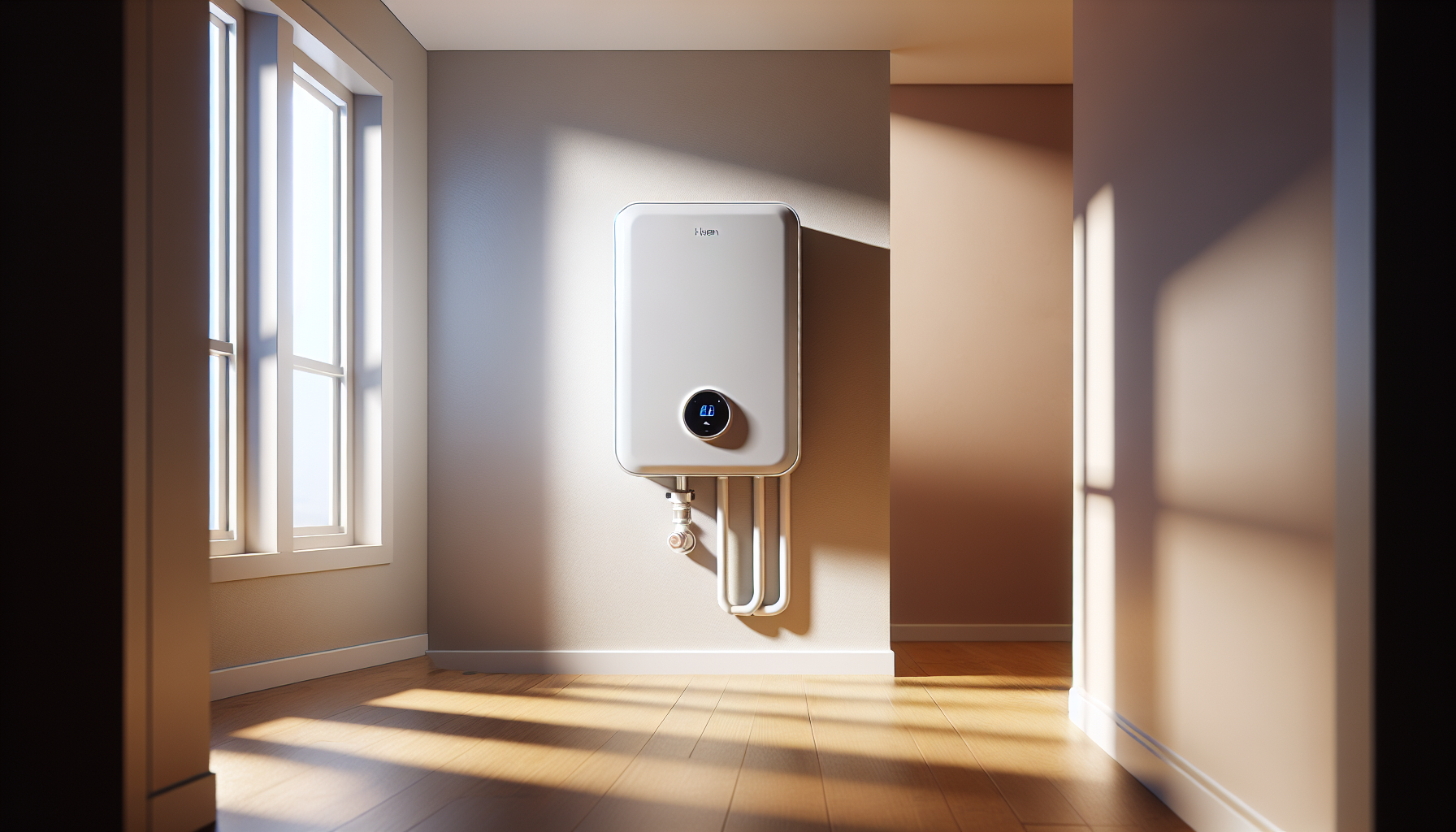
Tankless Water Heater Installation Services In Costa Mesa California
Are you thinking about upgrading your home’s water heating system to a tankless model in Costa Mesa, California?
Tankless Water Heater Installation Services In Costa Mesa California
You’re reading about tankless water heater installation services in Costa Mesa because you want reliable hot water, better efficiency, or to reduce your long-term utility bills. This article gives you practical, local, and technical guidance so you can make informed decisions and prepare for installation.
Why consider a tankless water heater?
You want consistent hot water on demand without the standby energy losses of a storage tank. Tankless systems heat water only when you need it, which can reduce energy usage and provide a smaller physical footprint in your home.
You’ll also find that tankless systems often last longer than tank heaters when maintained properly, and many homeowners notice improved space utilization and lower risk of large-volume leaks.
How tankless systems work — a quick overview
A tankless water heater heats water as it flows through a heat exchanger using a gas burner or electric elements. You get hot water when a fixture opens and cold water passes through the unit; no storage tank sits waiting to cool down.
This on-demand approach means fewer standby losses, and the unit’s capacity is measured in gallons per minute (GPM) rather than tank size.
Types of tankless water heaters
There are two primary types of tankless water heaters: gas (natural gas or propane) and electric. Each has advantages and trade-offs depending on your home’s infrastructure, hot water demand, and budget.
You should consider fuel availability, installation costs, required upgrades, and environmental preferences when choosing between gas and electric.
Gas tankless (natural gas / propane)
Gas tankless heaters typically deliver higher flow rates for larger simultaneous hot water needs. They require proper venting and a gas supply capable of meeting high demand, and may need gas line upgrades.
You’ll find gas units perform well for multi-fixture households, but you must ensure professional installation, safe venting, and compliance with California codes.
Electric tankless
Electric tankless units are compact, quieter, and often easier to vent (sometimes requiring no venting). They can be a better fit where gas service is unavailable or when you prefer zero on-site combustion.
However, electric models may require substantial electrical panel upgrades or dedicated circuits to deliver required amperage, which can raise overall costs.
Local considerations for Costa Mesa, CA
Costa Mesa’s mild coastal climate means incoming groundwater temperature is generally higher than in colder regions, reducing the required temperature rise for your unit. That often increases the effective output in GPM for a given model.
You should also check local building codes, permit requirements, and utility programs in Orange County and the City of Costa Mesa to ensure compliance and check eligibility for rebates or incentives.
Permits and inspections
You must obtain building, plumbing, mechanical, and possibly electrical permits for tankless installation in Costa Mesa. Inspectors will verify proper venting, gas connections, combustion air, and electrical compliance.
Your licensed contractor typically pulls permits and schedules inspections, but you should confirm that all required permits are in place before work begins.
Energy codes and standards
California’s Title 24 energy code and other local resolutions can affect efficiency standards, installation practices, and documentation. You’ll want a contractor familiar with Title 24 and local enforcement to avoid delays or rework.
Ask for documentation showing compliance and any necessary Certificate of Acceptance from the local building department where applicable.
Sizing your tankless water heater
Proper sizing is critical. You need to calculate the required flow rate (GPM) and the required temperature rise for your household’s simultaneous hot water use. Undersized units will not meet demand and can lead to poor performance.
A professional will evaluate your peak hot water usage, number of fixtures, and incoming water temperature to recommend an appropriately sized model.
How to calculate required GPM
Count up the fixtures you expect to run at the same time and assign typical GPM estimates:
- Shower: 1.5–2.5 GPM (low-flow vs standard)
- Bathroom sink: 0.5–1.0 GPM
- Kitchen sink: 1.0–2.2 GPM
- Dishwasher: 1.0–2.0 GPM
- Washing machine: 1.5–2.0 GPM
Add the simultaneous expected uses to estimate peak GPM. For example, running two showers and a dishwasher could require roughly 5–7 GPM depending on fixture flow rates.
Temperature rise example
You’ll subtract the average incoming water temperature from your desired outlet temperature to find the temperature rise. In Costa Mesa, incoming water may be around 60°F on average, and a typical desired hot temperature is 120°F, so you’d need a 60°F rise.
Select a unit that can deliver your calculated GPM at that temperature rise. Units list performance curves showing GPM capability at various temperature rises.
Comparison: Gas vs Electric tankless
This table gives you a straightforward comparison to help weigh the two main options.
| Feature | Gas Tankless | Electric Tankless |
|---|---|---|
| Typical peak GPM | Higher (better for multiple fixtures) | Moderate (best for point-of-use or smaller homes) |
| Fuel source | Natural gas or propane | Electricity |
| Venting required | Yes (direct vent or power vent) | Often not required or minimal |
| Installation complexity | Higher (venting, gas line) | Moderate to high if electrical upgrades needed |
| Upfront unit cost | Moderate to high | Often lower per unit |
| Installation cost | Moderate to high (venting, gas) | Can be high if panel/transformer upgrades needed |
| Operating cost | Typically lower for gas in many markets | Can be higher unless electricity rates are low |
| Carbon emissions | On-site combustion | Electric units can be cleaner depending on grid mix |
| Best for | Homes with high simultaneous demand | Homes with limited demand or without gas service |
You should use this table as a starting point and talk to contractors about your specific usage patterns and infrastructure.
Cost considerations and typical price ranges
Your total cost depends on the unit price, installation complexity, required upgrades, permits, and potential removal of an existing tank. Below is a summary of typical cost ranges to set expectations.
| Item | Typical Range (USD) | Notes |
|---|---|---|
| Electric tankless unit | $300 – $1,200 | Smaller point-of-use to whole-home models |
| Gas tankless unit | $800 – $3,000+ | Varies by brand, capacity, and efficiency |
| Basic installation (simple swap) | $500 – $2,000 | Minimal venting/gas work, accessible location |
| Complex installation | $2,000 – $8,000+ | New gas line, major venting, seismic strapping, water treatment, electrical upgrades |
| Permits & inspections | $100 – $500 | Depends on local fees |
| Electrical panel upgrade | $1,000 – $4,000 | If needed for electric units |
| Gas line upgrade | $500 – $2,500+ | For larger gas demand |
| Water treatment (softener/scale prevention) | $500 – $3,500 | If needed to protect tankless heat exchanger |
These are estimates and can vary based on brand, local labor rates, and your home’s condition. You should obtain multiple written estimates and ask for itemized breakdowns.
Choosing the right installer in Costa Mesa
You should hire a licensed, insured, and experienced contractor familiar with tankless systems and California codes. Verify their C-36 plumbing license or appropriate mechanical license, proof of insurance, and local references.
Ask about their experience with the specific brand you’re considering, any manufacturer certifications they hold, and whether they pull permits and handle inspections for you.
Questions to ask potential contractors
Ask for answers to these essential questions before hiring:
- Are you licensed and insured, and can you provide license numbers and proof?
- Do you pull permits and schedule inspections for this work?
- Can you provide references from recent local installations?
- What warranties do you offer on labor, and what does the manufacturer warranty cover?
- Do you offer maintenance plans, and what does routine maintenance cost?
- Will installation require gas or electrical service upgrades?
- How long will installation and inspections take?
You should keep written estimates and a clear timeline before starting work.
Installation process — step by step
Knowing the typical sequence of events helps you prepare and reduces surprises. Installation usually follows this general process.
Site assessment and quote
A technician will inspect your current system, measure clearances, evaluate gas/electrical service, and estimate venting needs. This visit lets the contractor provide a firm quote and determine necessary permits.
You should provide access to the attic, utility closets, or wherever the current water heater and service lines are located.
Permits and planning
Once you accept an estimate, the contractor pulls permits and plans the work. Permit timelines vary, so account for local processing time.
You should confirm who is responsible for scheduling the inspection and what to expect regarding access.
Unit installation
The installer positions the new unit, removes the old tank if requested, connects water lines, gas or electrical service, and installs venting. They will also install seismic strapping and condensation management where required.
You should expect some noise and brief service interruptions while plumbing and gas/electric connections are completed.
Commissioning and testing
Technicians test for leaks, proper combustion (for gas units), and verify the unit provides the expected hot water performance. They will show you how to operate the unit and discuss maintenance needs.
You should request demonstration of controls and receive manufacturer literature and warranty paperwork.
Inspection and sign-off
A local inspector typically verifies the installation meets code and signs off the permit. Your contractor usually schedules this but confirm timing and any final fees.
You should keep the signed permits and warranty documents for your records.
Preparing your home before installation
Preparing your space helps the installation go smoothly. You should clear the area around the existing heater, provide safe access, and ensure pets are secured.
Make sure utility closets are accessible, and free up driveway or parking space if technicians need to bring equipment close to your home.
Checklist to prepare
- Clear the immediate work area and remove stored items.
- Ensure access to the electrical panel, gas meter, and water shutoffs.
- Provide utility account information if the installer needs to check meter service.
- Confirm parking arrangements for the contractors’ vehicles.
- Notify family members about planned water and gas/electric interruptions.
This preparation minimizes delays and reduces extra labor costs.
Water quality and tankless heaters
Water hardness can significantly affect tankless heater performance and longevity. Scale builds up on heat exchanger surfaces, reducing efficiency and capacity.
You should test local water hardness and consider a water softener or descaling maintenance schedule if hardness is moderate to high.
Descaling and maintenance frequency
Many manufacturers recommend descaling the unit annually in areas with hard water. If water hardness is above recommended levels, you may need semi-annual maintenance or a whole-home water treatment system.
You should follow the manufacturer’s recommended maintenance schedule to maintain warranty coverage and efficient operation.
Venting and indoor air quality
Proper venting is essential for gas tankless heaters to remove combustion gases and prevent carbon monoxide accumulation. Venting options include direct vent (through an exterior wall) or vertical venting through the roof.
You should never block combustion air inlets and must install CO detectors in your home as a safety measure.
Combustion air and vent termination
Codes dictate minimum clearances and vent termination distances from windows, doors, and combustible materials. Certified installers will ensure proper vent routing and termination height.
You should confirm that vents won’t conflict with future exterior changes or landscaping that could reduce required clearances.
Electrical requirements for electric tankless units
Electric tankless units can require large continuous amperage and often need multiple dedicated circuits or a panel upgrade. Ensure your electrical service capacity and panel space are sufficient.
You should consult a licensed electrician to evaluate whether the existing service must be upgraded before installation.
Typical electrical upgrades
Upgrades might include adding a sub-panel, increasing service amperage, installing multi-breaker banks, and providing dedicated grounding and GFCI protection. These upgrades can be the largest portion of the installation cost for electric units.
You should include an electrical assessment in your installation planning to avoid surprises.
Safety recommendations and code compliance
Safety is non-negotiable with gas and high-power electrical appliances. Install CO detectors near sleeping areas, have annual inspections, and ensure ventilation is clear.
You should work only with licensed professionals who follow California codes and local municipal requirements.
Rebates, incentives, and energy programs
California and local utilities periodically offer rebates or incentives for high-efficiency water heaters, heat pump water heaters, or electrification upgrades. Utility programs and federal tax credits may apply at times.
You should check with SoCalGas, Southern California Edison, or other local utility providers for current programs and confirm eligibility before purchase and installation.
Warranty considerations
Manufacturer warranties vary by model and may offer longer warranties for heat exchangers with professional installation and registered product activation. Contractor labor warranties are separate and should be documented.
You should read warranty details carefully, ask how maintenance affects coverage, and keep records of professional service and descaling.
Common installation challenges and how to avoid them
Many installation challenges are predictable if you plan properly. Common issues include inadequate gas supply, insufficient electrical capacity, complicated venting paths, and poor water quality.
You should have a thorough site assessment before buying a unit to avoid mid-project surprises and extra costs.
How to mitigate common issues
- Have a professional perform a gas load calculation if gas is used.
- Get an electrical load analysis for electric units.
- Measure venting paths and review termination options early.
- Test water hardness and consider pre-installation water treatment if needed.
You should budget for potential upgrades in your initial planning to reduce stress and delays.
Commercial and multi-family installations
Commercial properties and multi-family buildings have larger and different hot water demands and code requirements. These installations may require multiple units, centralized systems, or specialized equipment.
You should engage a contractor experienced in commercial HVAC/plumbing systems and coordinate with building management and local authorities for permit and safety compliance.
Environmental impact and energy savings
Tankless heaters can reduce energy use by eliminating standby losses, contributing to lower greenhouse gas emissions compared to older storage tank units. The actual environmental benefit depends on your local fuel source and grid mix.
You should consider lifecycle energy use and local utility rates when evaluating environmental and cost benefits.
Maintenance tips to extend lifespan
Regular maintenance keeps a tankless system efficient and reliable. Follow these recommended tasks to protect your investment.
- Flush the system annually to remove scale deposits.
- Clean or replace inlet filters as recommended.
- Inspect venting and combustion components for integrity.
- Have a licensed technician check gas pressure and burner condition yearly.
You should keep a maintenance log to track service dates and any parts replaced to preserve warranty coverage.
Point-of-use vs whole-home tankless
A point-of-use unit serves a single fixture or small group of fixtures and can provide instant hot water to that location. A whole-home unit supplies multiple fixtures simultaneously and requires higher capacity.
You should consider a hybrid approach when you have both high-demand areas and remote fixtures: a whole-home unit for central needs plus smaller point-of-use units where long pipe runs cause delays.
Typical timeline for an installation
From first site visit to final inspection, the process typically takes a few days to a few weeks. Permit approval can add time, and any required upgrades extend the timeline.
You should expect initial assessment and quote within a few days, permit processing one to several weeks, installation a day or two, and final inspection shortly thereafter.
Choosing the right product features
Look for features that matter for your lifestyle: digital temperature control, recirculation integration, Wi-Fi monitoring, scale detection, and frost protection. These features can improve convenience and reliability.
You should prioritize features aligned with your usage patterns and maintenance willingness.
Typical brands and product types you may encounter
Many reputable brands manufacture tankless water heaters with varying capacities, efficiencies, and feature sets. A contractor can recommend models suited to your needs and local service support.
You should ask about local service networks and parts availability when selecting a brand to ensure long-term support.
Frequently asked questions (FAQ)
Q: Will a tankless heater supply enough hot water for multiple showers at once? A: It depends on model capacity and required temperature rise; many gas tankless units handle multiple showers, but sizing must match simultaneous demand.
Q: Do tankless heaters require a lot of maintenance? A: They need periodic descaling and filter cleaning, especially in hard-water areas. Annual maintenance is typical to maintain efficiency and warranty.
Q: Can I replace my tank heater with a tankless unit in the same location? A: Often yes, but venting, gas, or electrical upgrades may be necessary. A site assessment will determine feasibility and cost.
Q: How long do tankless heaters last? A: With proper maintenance, tankless units often last 15–25 years, which is generally longer than conventional storage tanks.
Q: Are tankless systems noisy? A: Electric units are typically very quiet. Gas units make some noise during combustion but are generally not loud when installed properly.
Q: Do I need a water softener? A: If your water hardness is high, a softener or descaling schedule is recommended to prevent scale buildup and extend the lifespan of your unit.
Final checklist before you decide
- Confirm fuel availability (natural gas, propane, or electric).
- Calculate peak GPM and temperature rise for your household.
- Get at least three written, itemized estimates from licensed contractors.
- Verify contractor licenses, insurance, and permit handling.
- Check potential rebates and incentives with local utilities.
- Plan for maintenance and obtain warranty documentation.
You should use this checklist to compare contractors and proposals to ensure you get the system that fits your needs and budget.
Closing thoughts
Switching to a tankless water heater in Costa Mesa can provide efficient, on-demand hot water and long-term savings when properly sized and installed. You’ll benefit most by working with licensed local professionals who understand California codes, local water characteristics, and utility programs.
You should take time to assess your household’s hot water needs, budget for possible upgrades, and confirm warranties and maintenance expectations so your new system delivers reliable performance for years.
