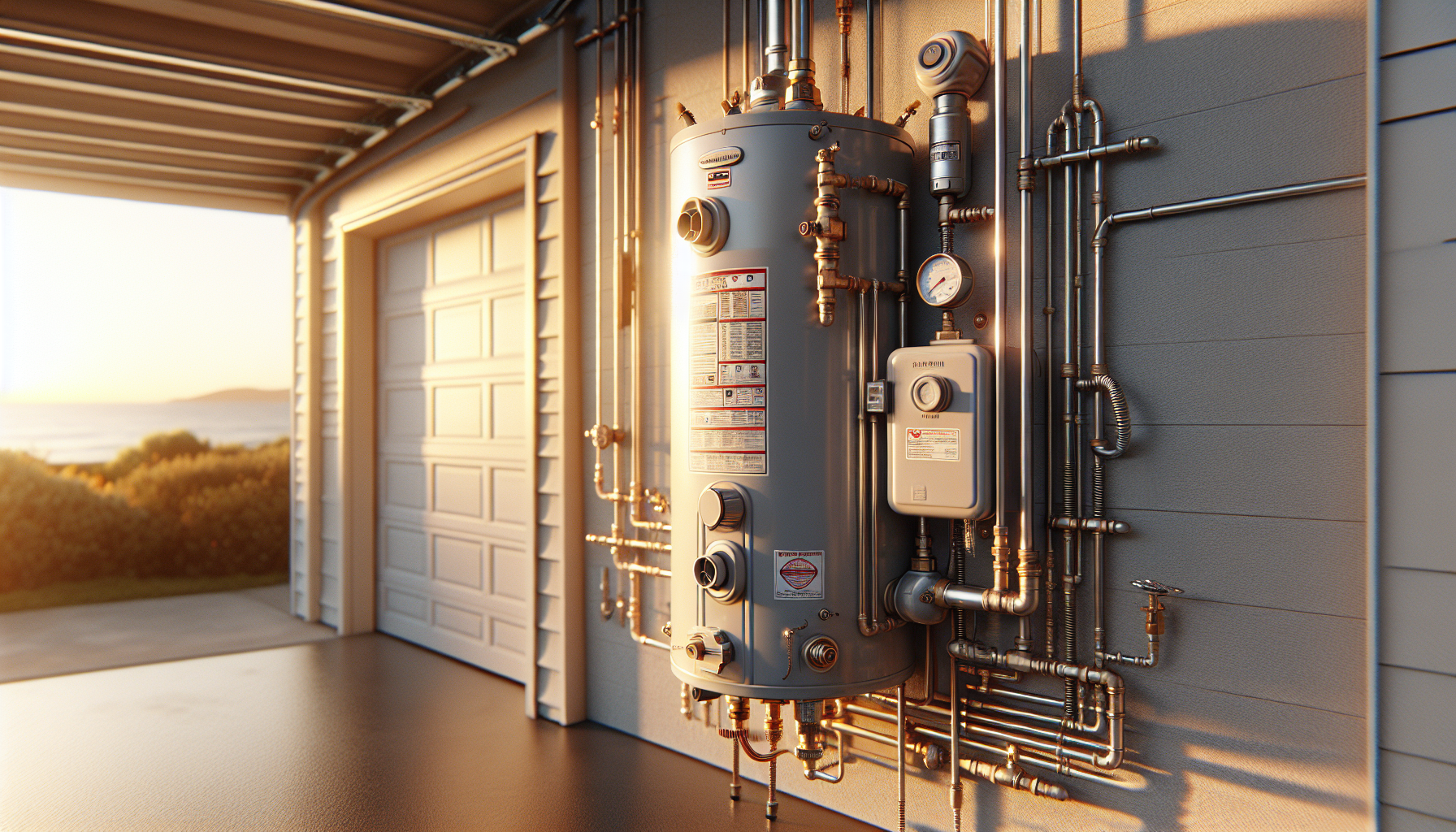
Water Heater Repair Services Costa Mesa Residents Trust For Reliable Hot Water
Are you ready to stop guessing when your hot water will show up and start getting consistent, reliable warmth in your Costa Mesa home?
Water Heater Repair Services Costa Mesa Residents Trust For Reliable Hot Water
You deserve hot water on demand without stress, and this article helps you understand what to expect from water heater repair services in Costa Mesa. You’ll learn how to spot problems early, choose the right professional, understand common repair procedures and costs, and keep your system running smoothly for years.
Why reliable hot water matters to you
Hot water affects your daily comfort, health, and home efficiency, from showers and dishwashing to laundry and sanitation. When your water heater underperforms, your routine can stall and your utility bills can rise. You’ll benefit from understanding how repairs can restore reliability and save you money over time.
How local climate and water quality influence repairs
Costa Mesa’s mild coastal climate and local groundwater mineral content can influence your water heater’s lifespan and maintenance needs. You’ll notice differences in how frequently components corrode, scale, or fail compared to other regions, which makes choosing a local, experienced technician important.
Common water heater types in Costa Mesa homes
You’ll typically see a few main types of water heaters in Costa Mesa, each with pros and cons that affect repair needs and costs. Knowing your system type helps you diagnose problems faster and ask the right questions when you call for service.
Tank (storage) water heaters
Tank water heaters store heated water in an insulated tank so hot water is available immediately until the tank is depleted. These are common, straightforward to repair for many issues like faulty thermostats, heating elements, or leaking tanks.
Tankless (on-demand) water heaters
Tankless models heat water only when you need it, offering energy savings and continuous hot water when sized properly. Repairs often involve sensors, flow switches, or scale buildup issues. You’ll pay more for parts and labor typically, but benefit from higher efficiency.
Heat pump (hybrid) water heaters
Heat pump heaters extract heat from the surrounding air to heat water efficiently. They’re more complex than standard tanks and may require technicians familiar with refrigeration components. You’ll need specialized service for compressor or fan issues.
Solar water heaters
If your home uses solar thermal systems, repairs may involve both plumbing and solar-specific components like collectors, pumps, and controllers. You’ll want a technician experienced with solar systems and local permitting if upgrades are needed.
Comparison table: water heater types at a glance
| Type | Typical Lifespan | Common Repair Needs | Energy Efficiency |
|---|---|---|---|
| Tank (gas/electric) | 8–12 years | Leaks, heating element, thermostat, anode rod | Moderate |
| Tankless | 15–20 years | Scale buildup, sensors, flow switches | High |
| Heat Pump | 10–15 years | Compressor, refrigerant leaks, fan issues | High (in warm climates) |
| Solar | 15–25 years | Pumps, collectors, controllers | Very high (with backup) |
Signs you need water heater repair now
You’ll save time and money by calling for repairs early. These common signs indicate it’s time to contact a pro.
No hot water or inconsistent temperatures
If your hot water stops or fluctuates between scalding and cold, it’s a strong sign of thermostat, burner, heating element, or control issues. You’ll want an inspection to determine whether the problem is repairable.
Strange noises from your water heater
Rumbling, popping, or banging typically means sediment buildup in the tank heating unevenly. You’ll benefit from flushing the tank or checking for damaged heating elements before the problem worsens.
Leaks or pooled water near the heater
Any leak is serious because it can cause property damage and indicate corrosion, loose fittings, valve failure, or a failed tank. You’ll often need immediate attention to prevent flooding and consider replacement if the tank is compromised.
Discolored or rusty water
Rusty water often signals corrosion inside the tank or deteriorating anode rod. You’ll want a tech to test and possibly replace the anode rod or inspect for internal damage.
Low hot water pressure
If your hot water pressure drops independently of your cold water, you may have a clogged pipe, mineral buildup, or an issue in the heater’s outlet. You’ll need to pinpoint whether it’s a local clog or a heater-related obstruction.
Foul or unusual odors in hot water
Sulfur or rotten egg smells generally mean bacterial growth reacting with the anode rod in the tank. You’ll want disinfection, anode replacement, or even conversion to a different anode type to remove odors.
Pilot light or ignition problems (gas units)
If your pilot light won’t stay lit or the burner won’t ignite, you’ll need a gas technician to check the thermocouple, gas valve, and venting. You should treat gas issues as urgent for safety.
Troubleshooting basics you can perform safely
You can perform a few basic checks before calling a pro, which may save time and help you describe the issue accurately.
Safety first — what you should never do
Always turn power/gas off before attempting major checks, and avoid opening panels or handling gas components unless you’re certified. You’ll reduce your risk by leaving complex tasks to licensed technicians.
Quick checks you can make
- Verify the breaker hasn’t tripped for electric units.
- Check the gas supply valve and pilot light for gas units.
- Look for visible leaks around fittings and valves.
- Inspect the temperature setting on the thermostat.
- Flush a small amount of water to see if discoloration clears.
These checks help you gather useful information before the technician arrives and help you communicate the problem clearly.
What a professional water heater repair service will do
When you call a reputable service, they’ll follow a systematic process to diagnose and fix the problem so you get reliable hot water again.
Initial phone consultation and scheduling
You’ll describe symptoms over the phone and can often receive an estimate range. The provider will schedule an on-site visit and may ask questions to prioritize emergency calls.
On-site diagnosis and inspection
A technician will inspect the unit, test components, check mounting, and evaluate venting, gas lines, pressure relief valves, and electrical connections. You’ll receive a clear explanation of the diagnosis and repair options.
Repair, part replacement, and testing
Technicians will replace faulty components like thermostats, heating elements, valves, burners, or anode rods. They’ll test the unit after repair to ensure temperatures and pressure are stable and that no leaks or safety issues remain.
Cleanup and documentation
A good technician cleans the job area, salvages reusable parts, and provides documentation, warranty information, and tips for preventing future problems. You’ll appreciate clear records if you need future service or resale documentation.
Typical water heater repairs and what they cost
Costs vary by system type, part, and labor, but knowing typical repairs helps you budget and decide whether to repair or replace.
Common repairs and approximate costs
- Thermostat replacement: modest cost; often under $200 including labor.
- Heating element replacement (electric): $150–$350 depending on element and labor.
- Pilot assembly or gas valve repair: $150–$400 depending on complexity.
- Pressure relief valve replacement: $75–$200.
- Anode rod replacement: $100–$300 depending on labor access.
- Tank leak repair: often not cost-effective; replacement typically recommended.
- Tankless descaling/cleaning: $150–$300; sensor replacement can be $300–$700.
- Heat pump compressor or refrigerant repairs: variable; often $500–$2,000+.
These ranges depend on local labor rates, part availability, and whether your unit is under warranty.
When repair costs approach replacement costs
If your heater is older (near or past expected lifespan), a major repair can be uneconomical. You’ll often choose replacement if repair cost exceeds 50% of a new unit’s price or if the tank is leaking.
How to choose the right water heater repair service in Costa Mesa
Selecting a reliable provider ensures safe, efficient repairs and helps prevent repeat calls.
Qualifications and licenses
You’ll want technicians with the correct plumbing and gas licenses where applicable. Licensing confirms training and compliance with local codes and safety standards.
Experience with your water heater type
Ask whether the company has experience with your specific system—tankless, heat pump, solar, or conventional tank. You’ll get faster, more accurate service from technicians familiar with your model.
Warranties and guarantees
Check for workmanship warranties and parts guarantees. You’ll want at least a 30–90 day labor warranty and standard manufacturer warranties on parts.
Insurance and bonding
Make sure the provider carries liability insurance and workers’ compensation. You’ll be protected if accidental damage or injury occurs during the job.
Local reputation and references
Look for local reviews, referrals from neighbors, or verified testimonials. You’ll often find that companies familiar with Costa Mesa code requirements and climate conditions provide better long-term service.
Availability and emergency service
Hot water emergencies can’t wait, so you’ll prefer a company that offers prompt scheduling and emergency service. Ask about their response time and after-hours policies.
Pricing transparency
Get detailed written estimates that break down parts, labor, and fees. You’ll avoid surprises when you ask for a final invoice that matches the estimate.
Preparing for the technician’s visit
A little preparation makes the visit more efficient and may reduce your bill.
Clear access and information
Clear the area around your water heater, provide access to the panel and shutoffs, and gather model numbers and warranty info if available. You’ll want to be present to answer questions and approve repairs.
Questions to ask the technician
- What specifically is causing the problem?
- Is repair or replacement the better option?
- What warranties apply to parts and labor?
- How long will the repair take and are permits required?
- Any maintenance steps you should follow afterward?
These questions help you make an informed decision and understand your responsibilities.
Preventive maintenance to prolong your water heater’s life
Regular maintenance reduces repair frequency and improves efficiency, saving you money over time.
Recommended maintenance schedule
- Every 3–6 months: Inspect for leaks, check pressure relief valve, and confirm temperature settings.
- Annually: Flush the tank to remove sediment (more frequently if your water is hard), test anode rod, and inspect burners or elements.
- Every 2–3 years: Professional maintenance for heat pump and tankless units which may require thorough cleaning or refrigerant checks.
Following this schedule helps you catch small issues before they become major repairs.
DIY maintenance steps you can do safely
- Drain a few gallons from the tank quarterly to reduce sediment.
- Test the temperature and pressure relief valve annually by lifting the lever to ensure it pops and resets.
- Set thermostat to 120°F to balance comfort and energy savings.
You’ll extend the life of your heater with these simple tasks while leaving complex maintenance to pros.
Energy efficiency tips and upgrades
You’ll lower bills and environmental impact by optimizing your water heating system.
Insulation and temperature settings
Insulating accessible hot water pipes and the tank (if appropriate for your model) reduces heat loss. You’ll save energy by maintaining your thermostat at 120°F unless you have needs for higher temperatures.
Consider upgrading when replacing
When replacement is necessary, choose an energy-efficient model sized properly for your household. You’ll see ongoing savings with high-efficiency tankless, heat pump, or solar-enabled systems when matched to your needs.
Rebates and incentives in California
You may qualify for local or state rebates for high-efficiency water heaters or heat pump installations. You’ll want to check current incentives to offset installation costs.
When to replace rather than repair
Replacement becomes the better choice in several scenarios that you should know.
Age and frequent repairs
If your heater is near the end of its expected lifespan and you’re repairing it often, replacement is usually more economical. You’ll avoid recurring costs and reliability issues.
Tank corrosion or major leaks
A leaking tank typically means internal corrosion that can’t be fixed. You’ll need replacement to prevent water damage and restore reliability.
Inefficient performance and high energy bills
If your water heater is inefficient despite repairs, a modern replacement may reduce operating costs significantly. You’ll recoup investment through lower utility bills over time.
Upgrading for capacity or efficiency
If your household needs have changed—additional occupants or new fixtures—or you want higher efficiency, replacement allows you to right-size and select more efficient technology.
Safety considerations you must follow
Water heaters involve electricity, gas, and hot pressurized water, so safety is critical.
Gas safety
If you smell gas, shut off the gas supply if you can, ventilate the area, and leave immediately before contacting emergency services. You’ll never attempt gas line repairs without a licensed technician.
Electrical safety
Turn off power at the breaker before accessing electrical components, and avoid handling live wires. You’ll call a licensed electrician for complex electrical issues.
Pressure and scald protection
Set the thermostat to 120°F to reduce scald risk, and consider anti-scald devices or thermostatic mixing valves for households with children or elderly occupants. You’ll also ensure the pressure relief valve is functional to prevent overpressure events.
Frequently asked questions (FAQs)
You’ll likely have practical questions about repairs, timelines, and costs. Here are common questions and clear answers to help you plan.
How quickly can I expect a technician to arrive for an emergency?
Most reputable services in Costa Mesa offer same-day or 24-hour emergency response depending on demand. You’ll want to confirm response times when you call.
Can I temporarily use another source of hot water while repairs are underway?
Yes, you can use electric kettles, stovetops, or an alternate hot water source for short tasks, but be cautious and avoid prolonged use of improvised solutions. You’ll plan hot water needs until repairs are completed.
Will a repair technician handle permits and inspections?
Qualified technicians often handle permits and coordinate required inspections for replacement jobs. You’ll verify this before hiring to ensure compliance and avoid delays.
How long does a typical repair take?
Minor repairs may take 1–3 hours, while complex diagnostics or part replacement can take a full day. You’ll get a time estimate during the diagnosis phase.
What should I do if my heater leaks after repairs?
Contact the service provider immediately. Most reliable companies offer a workmanship warranty to return and correct issues. You’ll want prompt action to prevent water damage.
Checklist: what to ask or verify before hiring a repair service
A short checklist helps you choose confidently and ensures the provider meets your needs.
| Item | Why it matters |
|---|---|
| License and insurance | Confirms legal compliance and protection for you |
| Experience with your heater type | Reduces diagnosis time and repeat visits |
| Written estimate | Prevents unexpected charges |
| Parts and labor warranty | Gives you recourse if issues recur |
| Emergency availability | Ensures timely help for urgent problems |
| Local reviews and references | Confirms reputation and quality of service |
You’ll be better prepared when you use this checklist to hire a trustworthy technician.
After repair: what to expect and how to stay proactive
Once your repair is complete, you’ll want to take a few steps to maintain your system and get the most from the work done.
Keep paperwork and service records
Save invoices, warranty information, and any maintenance notes. You’ll find these useful for future service, resale, or warranty claims.
Set a reminder for routine maintenance
Mark your calendar for annual or semi-annual maintenance tasks based on your technician’s recommendation. You’ll reduce the chance of big repairs with regular attention.
Monitor performance and costs
Watch for changes in hot water supply, noise, and energy bills. You’ll act early if you detect performance drift or increased consumption.
Final considerations for Costa Mesa residents
You deserve consistent, reliable hot water without the stress of surprises. By recognizing warning signs, choosing a qualified local technician, and following a preventive maintenance schedule, you’ll maximize comfort and minimize unexpected costs. You’ll also benefit from energy-efficient upgrades when replacement is the best long-term option.
If your water heater is acting up, gathering the information and questions in this article will help you get faster, clearer service and restore dependable hot water to your home. Take the next step by contacting a licensed local professional, keeping your receipts and service records, and staying on top of routine maintenance so your hot water remains reliable for years to come.
